This page is dedicated to the Palace cinema, once the great centrepiece of the town that dominated the square, its long gone now but it will live long in the memory, the entertainment centre of the district.
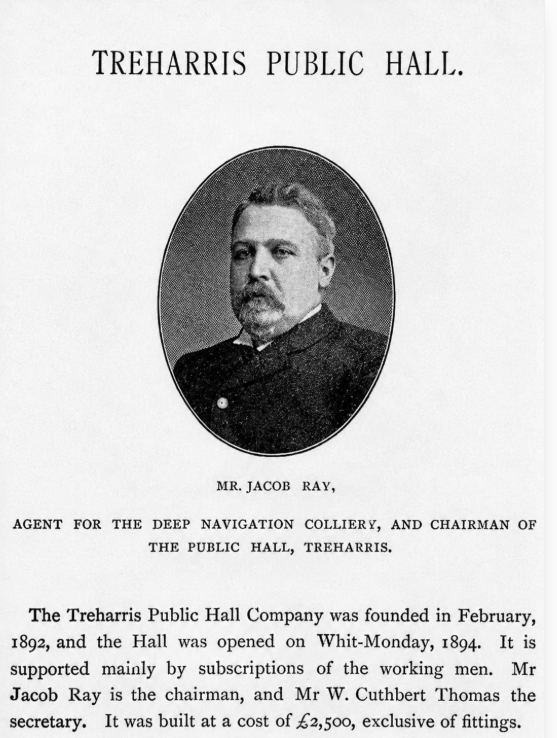
During 1891, the growing population of Treharris and its districts meant there was a growing need for a large public hall to be built for the benefit of the people.
The cost of the project was the main concern, and it was decided that concerts would be held to raise funds and that shares would be sold to make the project a reality.
One such concert took place in August 1891. A huge marquee, capable of seating an immense number of people, was obtained and erected near Bargoed House. Through the kindness of the Deep Navigation Colliery manager, Mr Stewart, the marquee was most effectively illuminated with electric light.
Mr Alan Wyn conducted the Treharris Choral Union in an excellent performance of “Creation”. A large crowd attended, and good funds were secured to get the project moving.
On 3 October 1891, the Merthyr Express reported that practical steps had been taken towards having a public hall built in Treharris.
A meeting had been held in Perrott Street, at the Tabernacle Vestry. The colliery manager, Mr Stewart, presided, with all classes of people represented.
The meeting decided to canvass for shares, and a large number had been taken. Mr W. Cuthbert Thomas was appointed secretary. It was proposed to erect the new public hall on the square at a cost of about £2,000.
A further meeting took place three weeks later, and a committee was appointed to deal with the site and further matters.
On 21 November 1891, the Merthyr Express further reported that, to show interest, the Colliery Company wanted to take an interest in the welfare of its workmen and promised to give £50 a year for five years towards the hall that was about to be built.
This was in addition to subscribing towards 250 shares in the hall company and letting the ground, which was in the very centre of the village and was most valuable, at the nominal rent of five shillings per annum.
Two concerts were held in October 1892 to raise further monies for the public hall. The first was presided over by Mr Stewart, the colliery manager, while the second was under the presidency of the Rev. D. Phillips. They were both held at the Tabernacle Chapel, and both raised goodly sums.
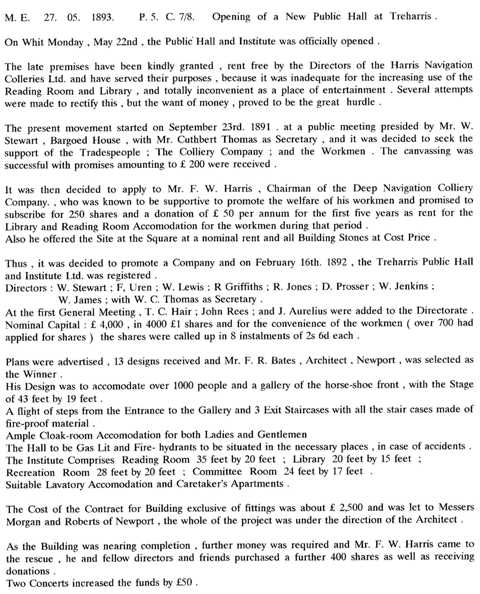
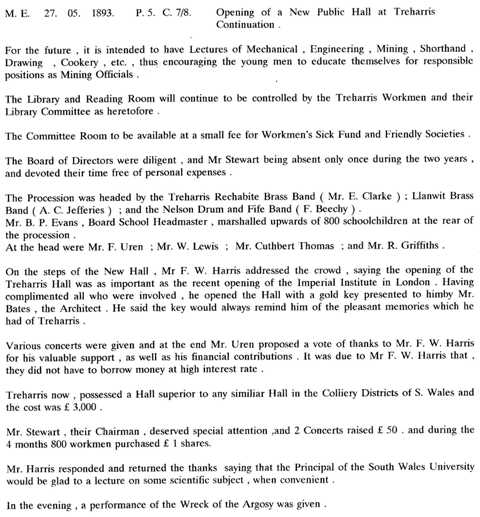
May 1893 was an exciting time for the district. The huge building constructed on the square was completed and ready to be opened. The Merthyr Express reported that the directors of the public hall company should be congratulated on having secured a handsome and commodious building in return for their outlay. The formal opening was planned for Whit Monday, and tickets for admission were keenly sought.
A public procession was arranged with brass bands. It started at 1 pm prompt, and many hundreds lined the streets and joined the procession.
Other reports suggest that the final cost of the public hall was around £3,300, but it included a library, committee rooms and reading rooms. The library had over 1,400 books, some in Welsh, and it was financially supported by contributions from miners’ wages.
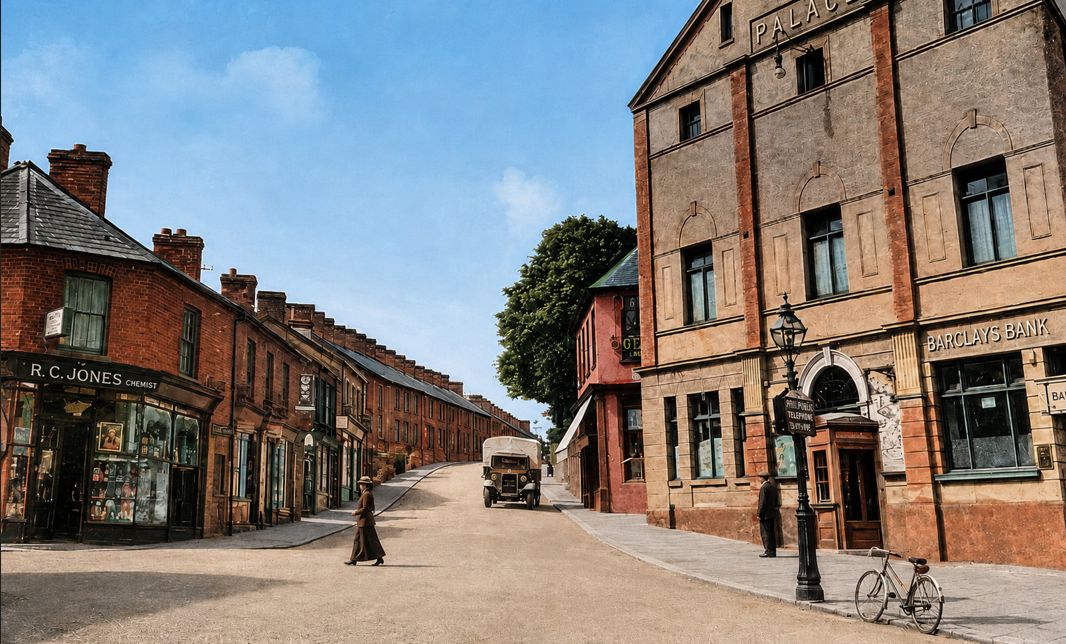
The building was a typical Workmen’s Hall design, with two shops at its base, either side of the entrance and facing the square.
Merthyr Express reports from the time
It was being used as a cinema in 1910.
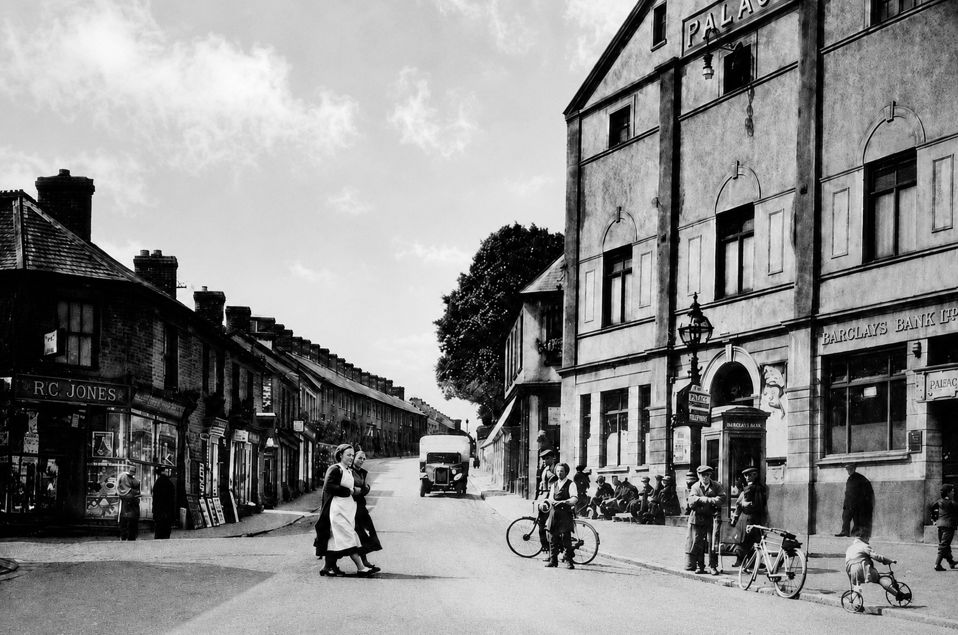
In 1920, one shop unit was a grocery store and the other housed a branch of Barclays Bank.
It was part of the Albany Ward circuit. They were taken over by Provincial Cinematograph Theatres, which was later taken over by Gaumont British Theatres in February 1929.
In 1930, it was taken over by an independent operator and was enlarged and reopened in October 1930.
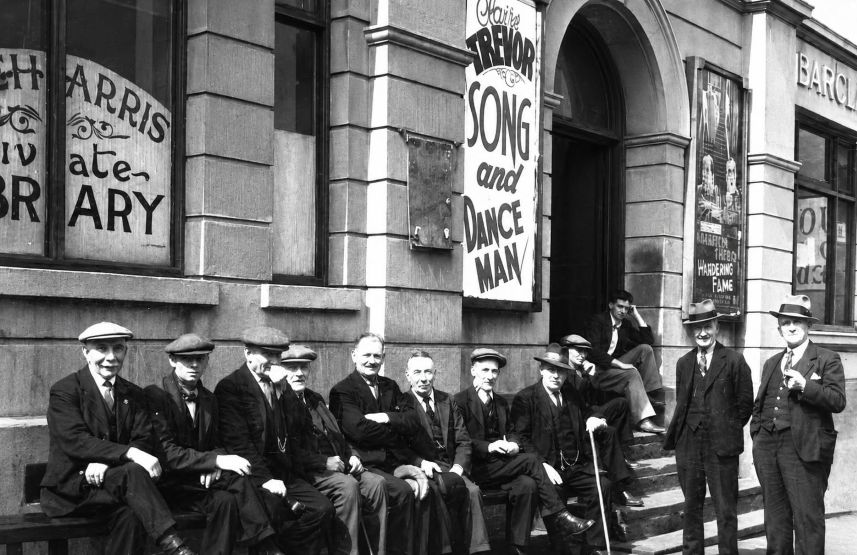
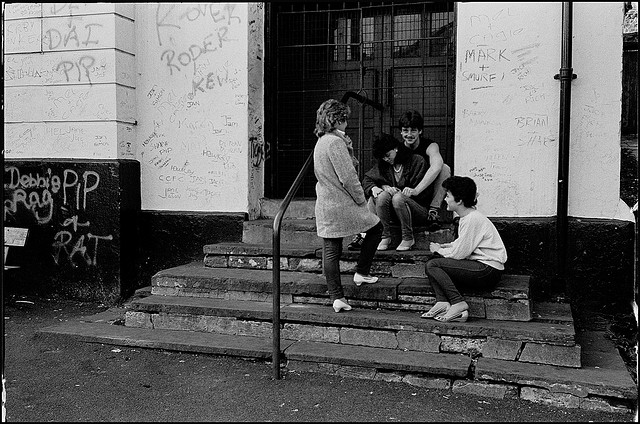
The photograph of Treharris men resting on the benches outside Treharris Hall can be dated back to 1936, thanks to the two films advertised on the billboards: Song and Dance Man, with Claire Howard, and Highland Fling, both of which were released in 1936.
By 1937, it was the Palace Theatre and had a 28-foot-wide proscenium and a 20-foot-deep stage. There were three dressing rooms. At that time, the Palace Theatre was equipped with a Klang-Tobis sound system.
By 1954, an RCA sound system had been fitted.
By 1963, CinemaScope had been installed, with a screen within the original 28-foot-wide proscenium. There were now four dressing rooms.
The Palace Cinema was still open in 1966 and closed in 1971. It was reopened and used for a variety of things, including an amusement centre, a bingo hall, a snooker club and, for one week, an indoor market.
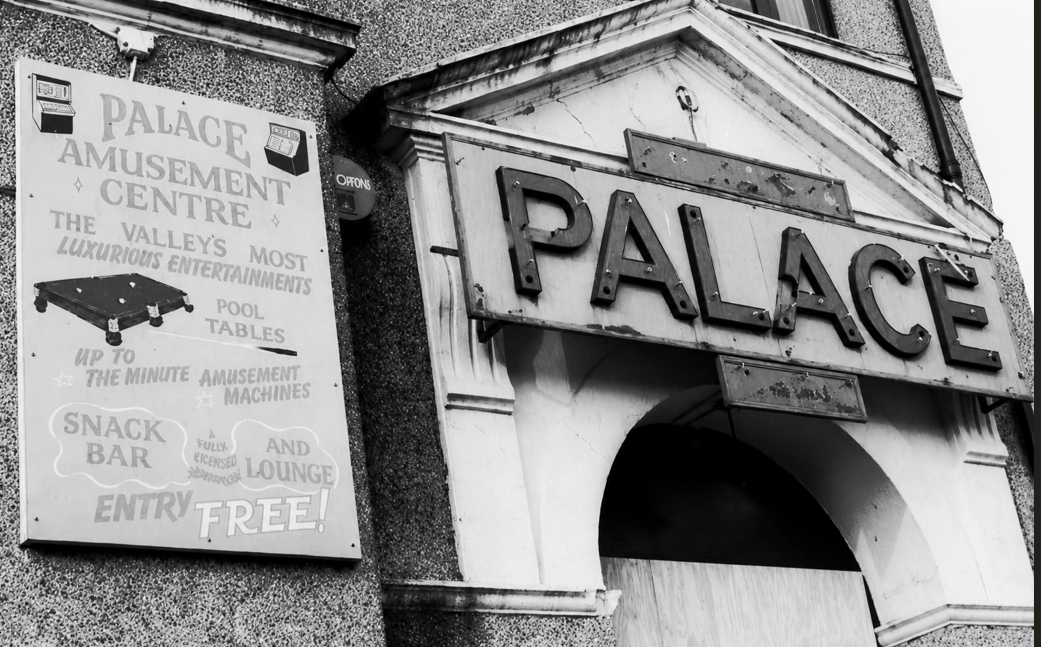
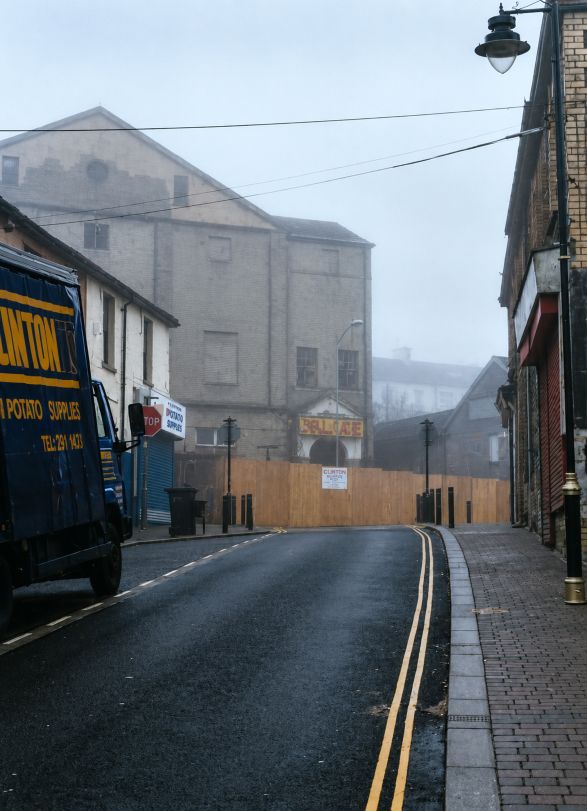
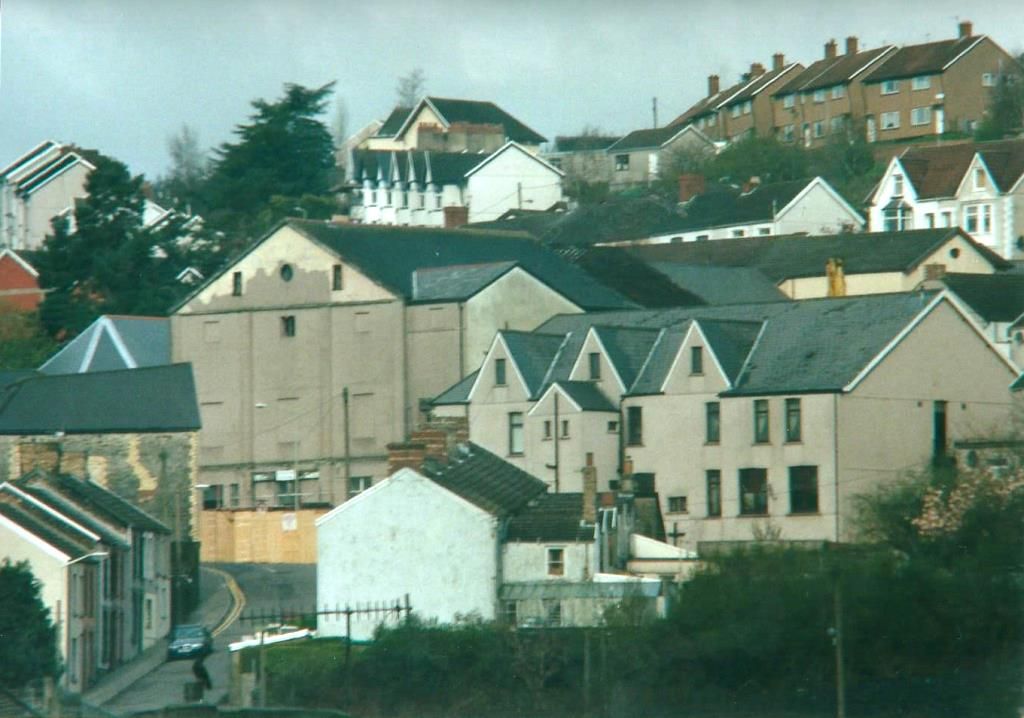
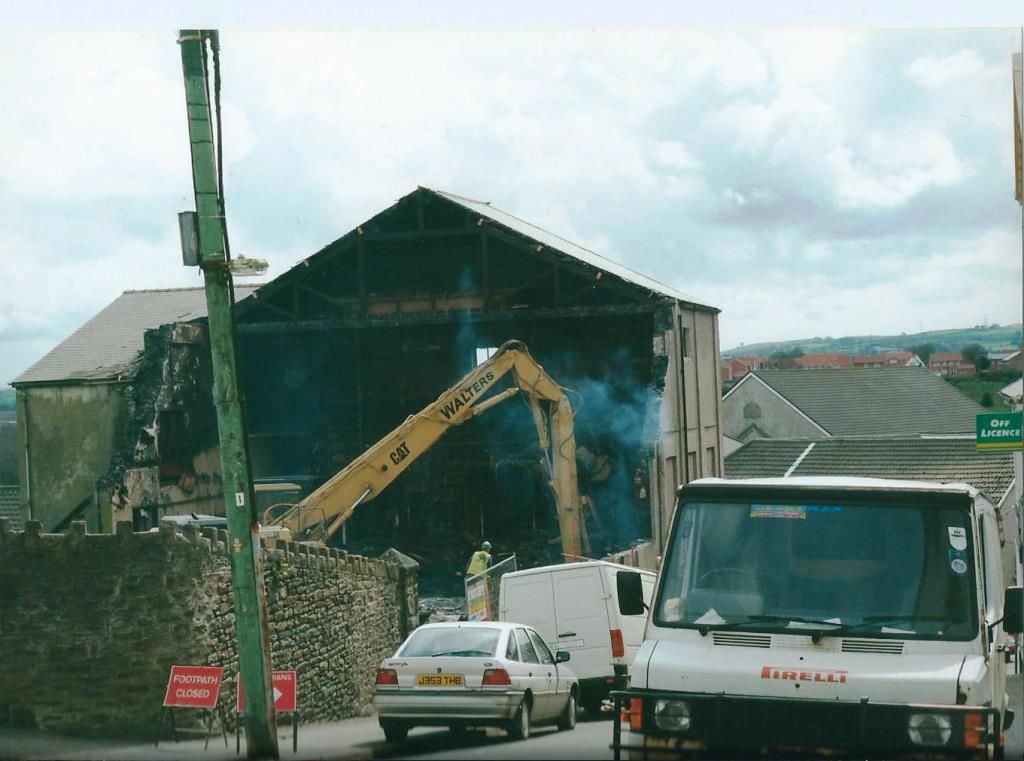
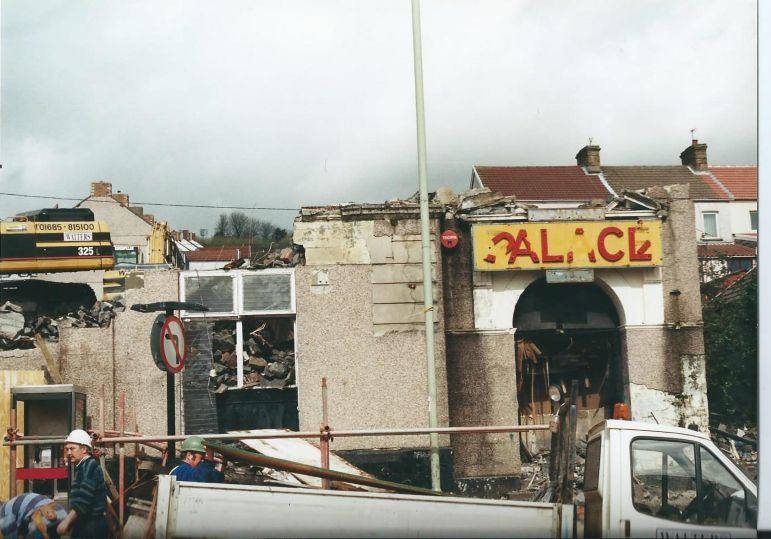
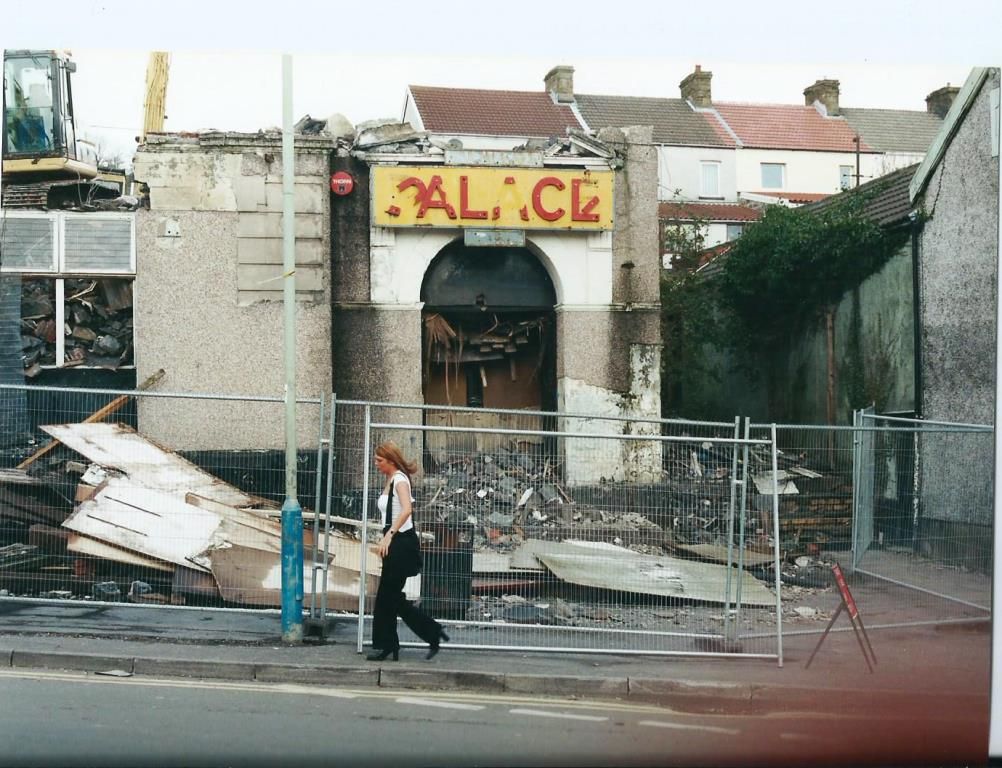
By 1980, the Palace Cinema had closed. The building later fell into further disrepair, and a decision was made to knock it down.
The building was still standing unused in 1995.
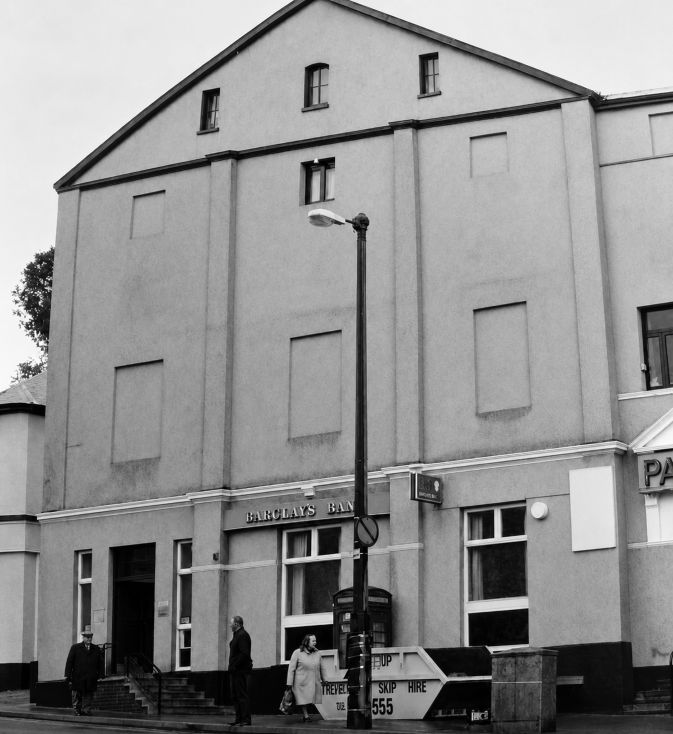
During 1996, there were plans to try to save the building, which was then under private ownership. Many of the villagers did not want to lose the historic building.
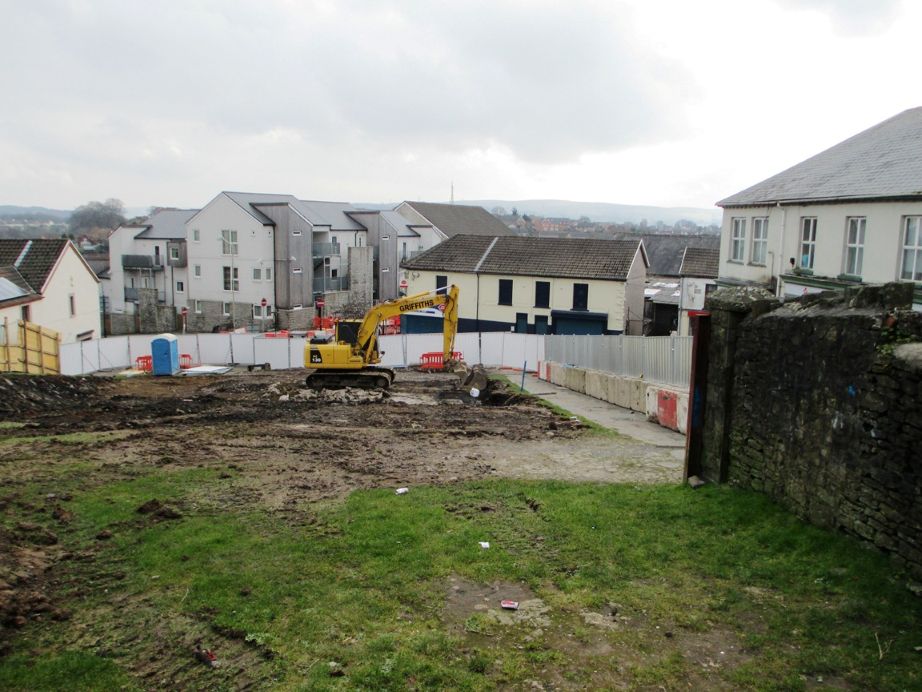
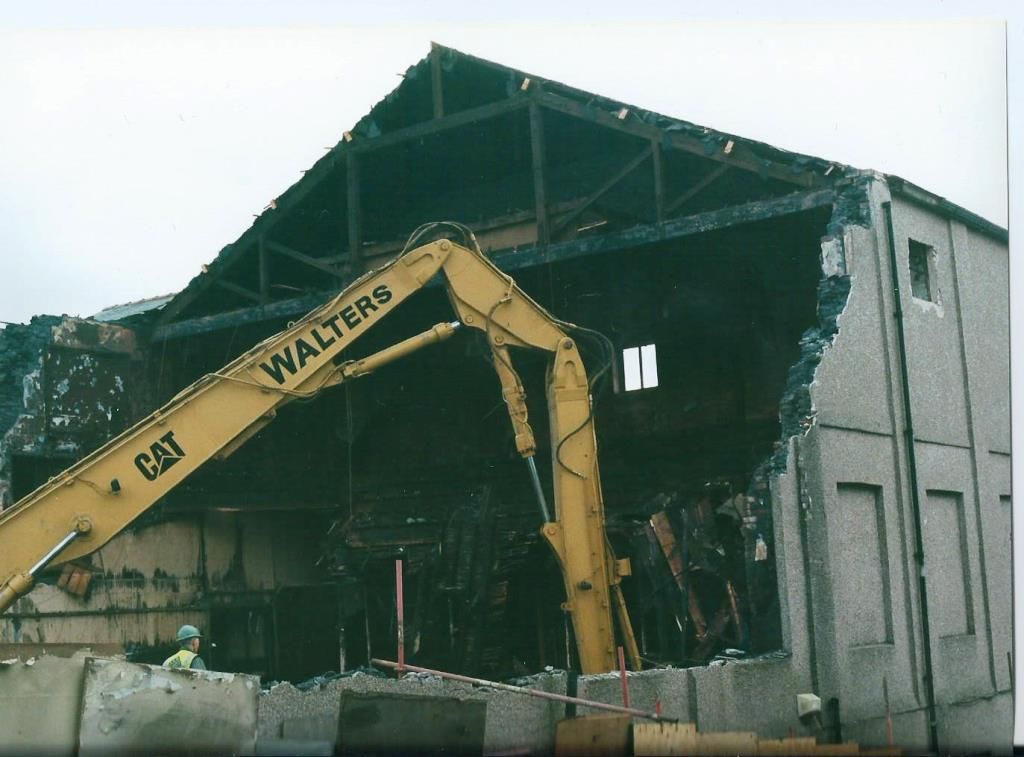
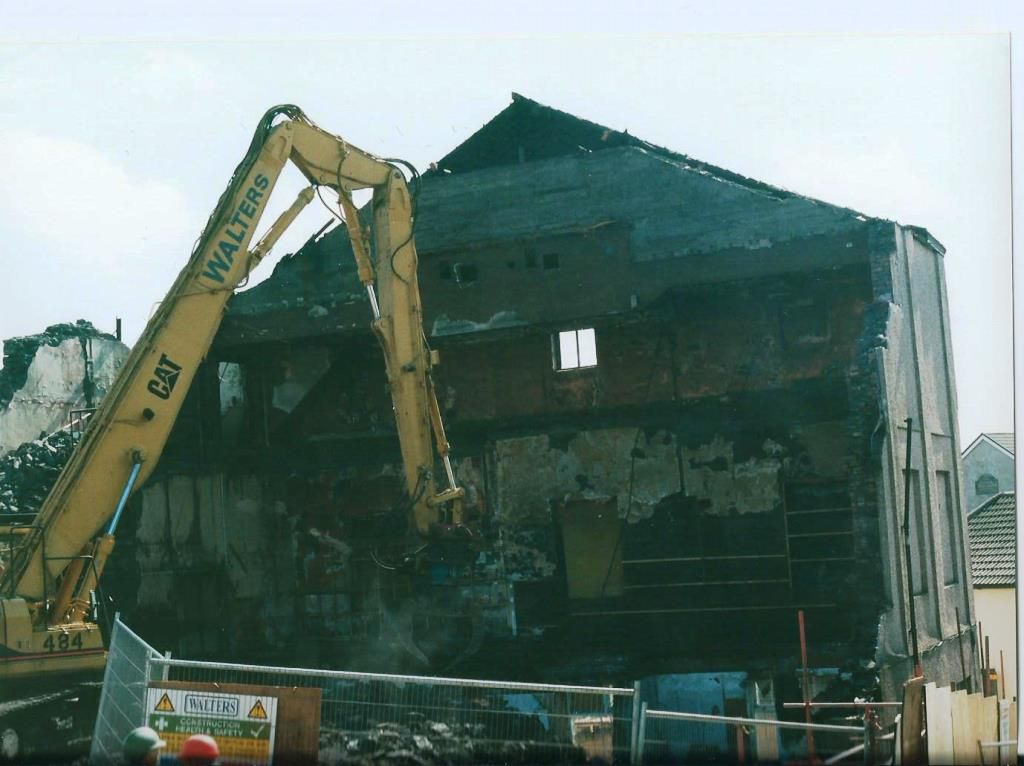
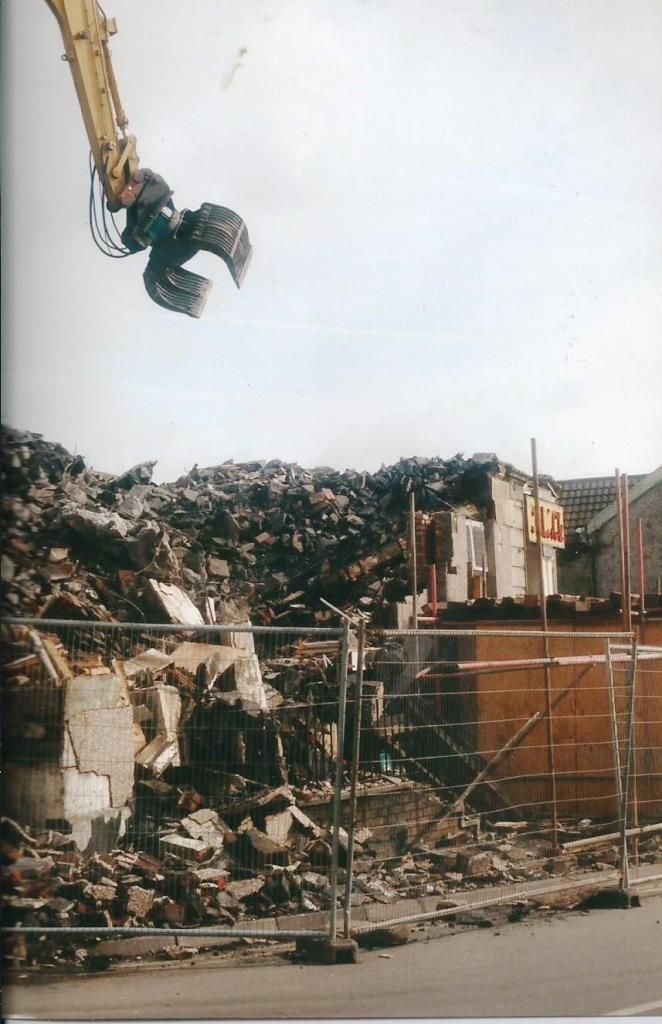
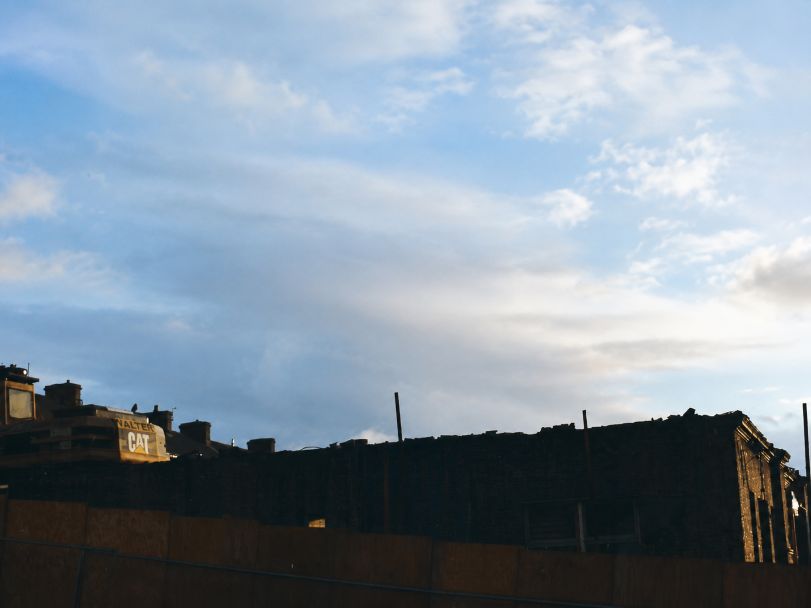
Unfortunately, it was not to be. The demolition of the Palace Cinema commenced on 25 January 2000. The site had been acquired by the Merthyr Tydfil Housing Association, which proposed to construct flats on the site. The building was demolished in January/February 2000, a sad end to the Hall, a landmark building that could have been preserved for future generations.
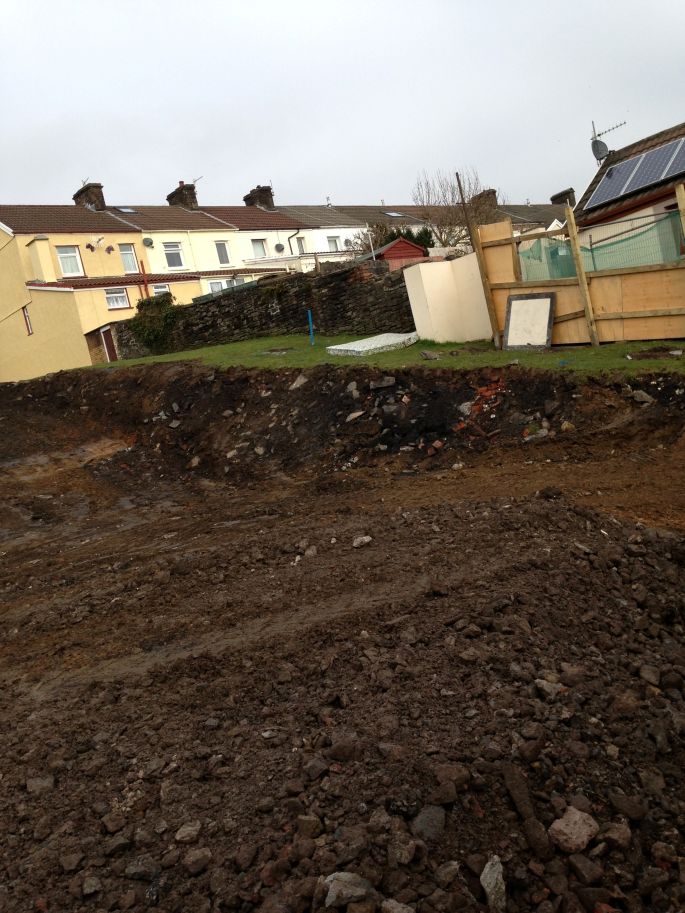
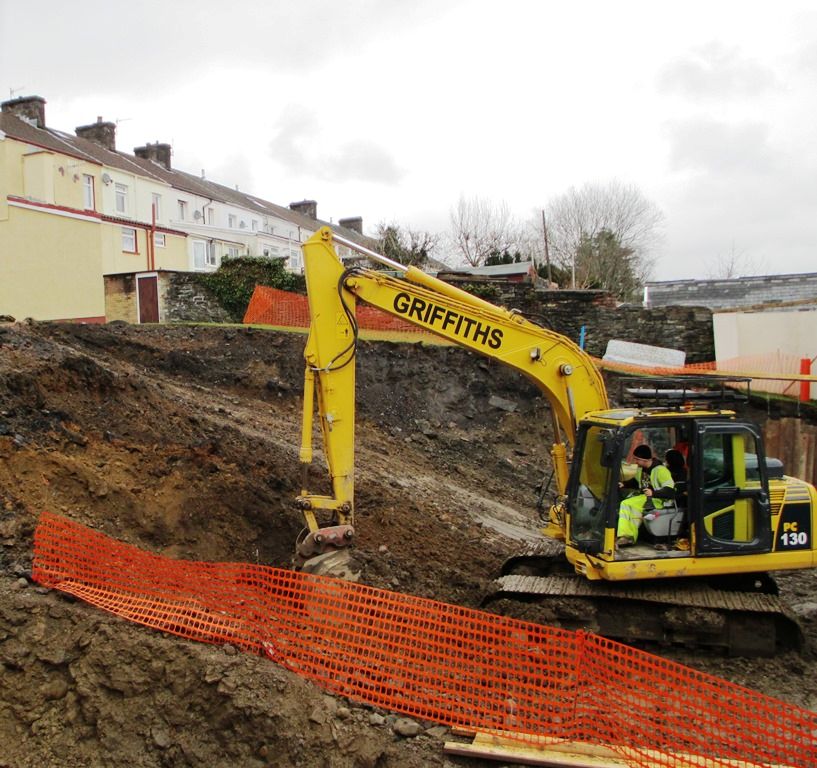
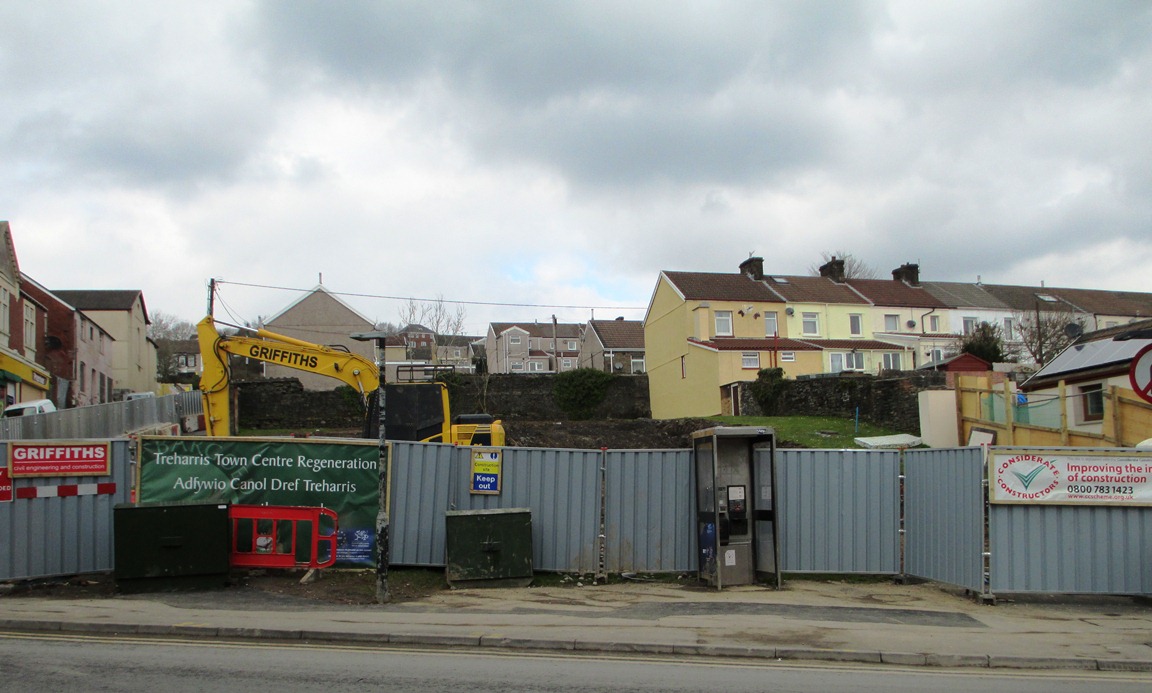
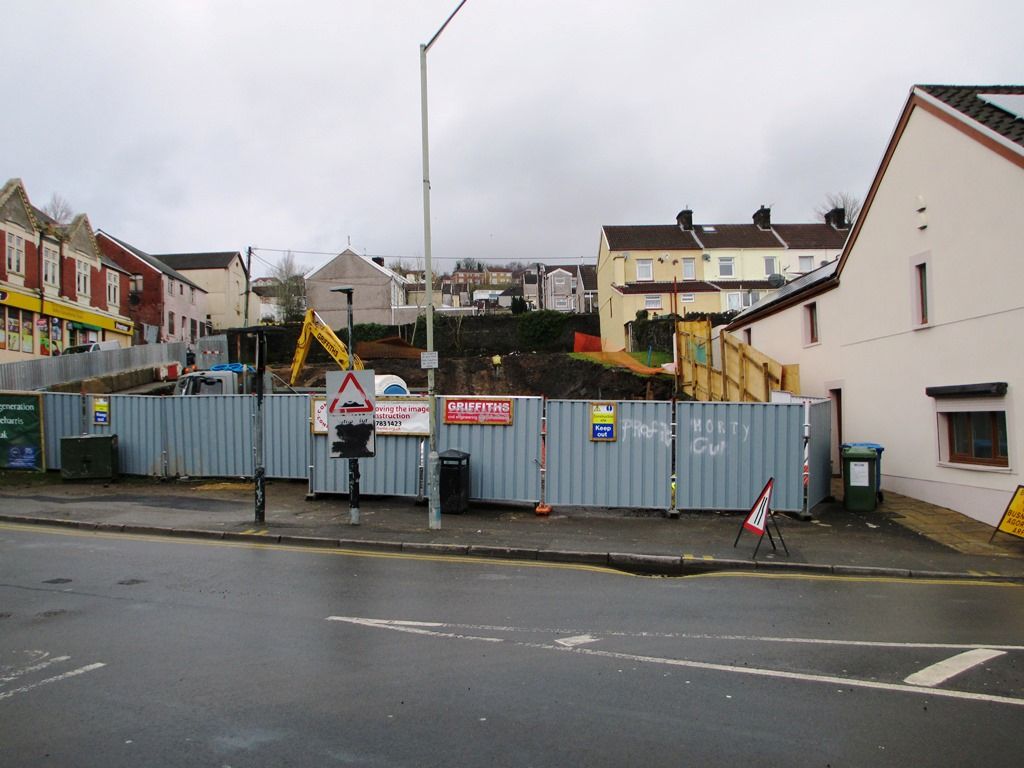
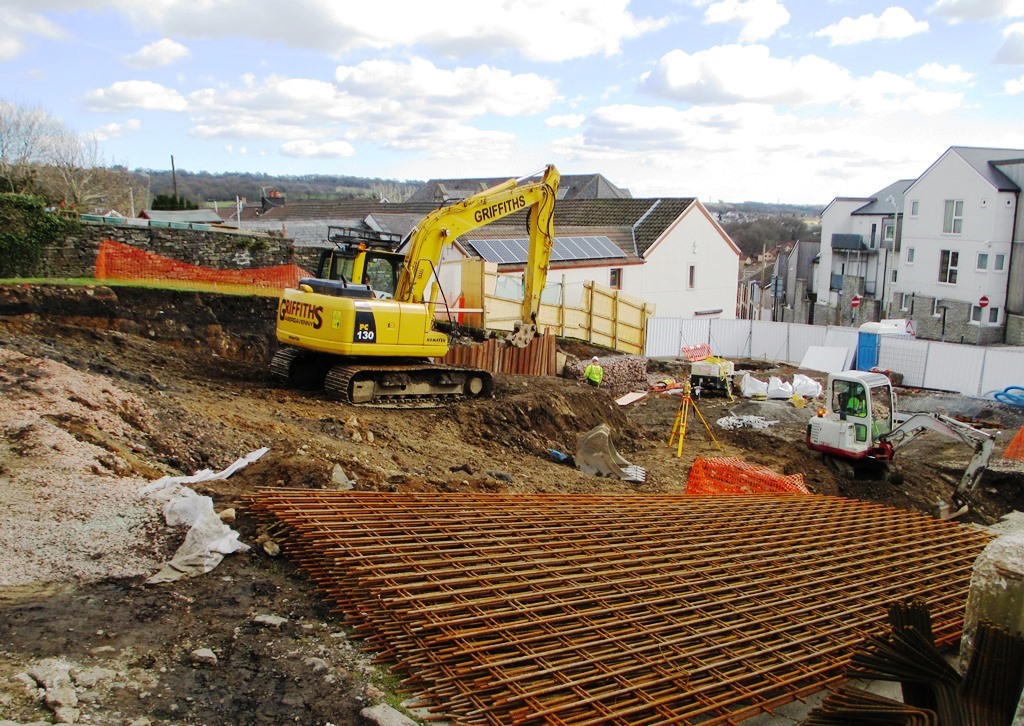
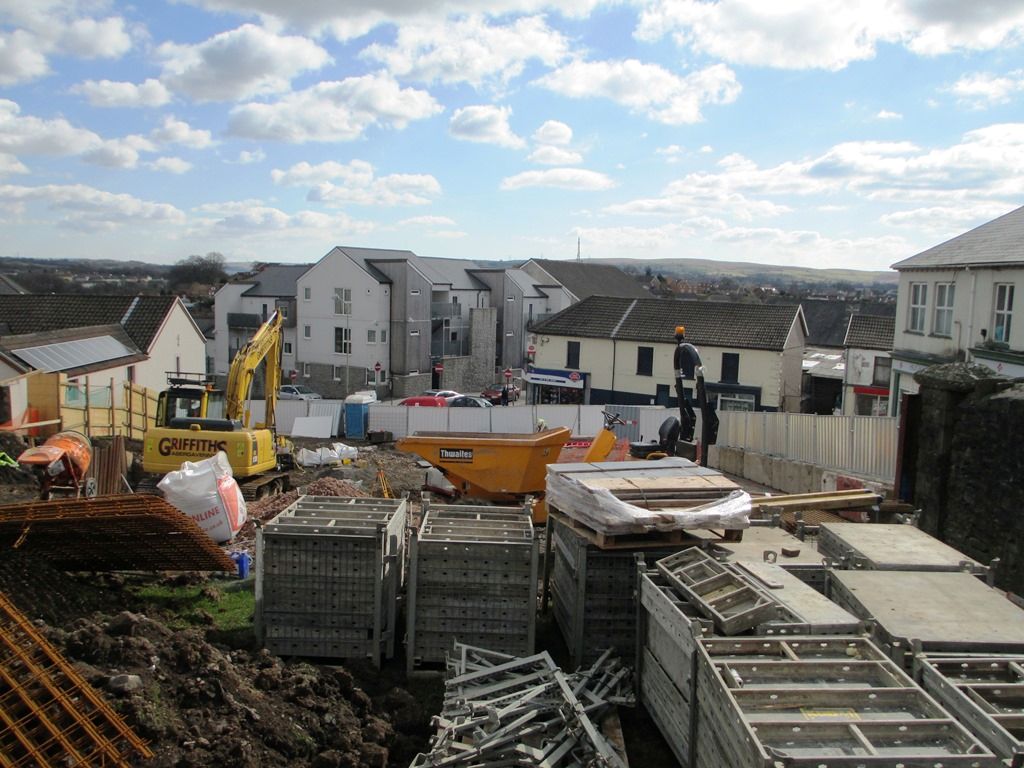
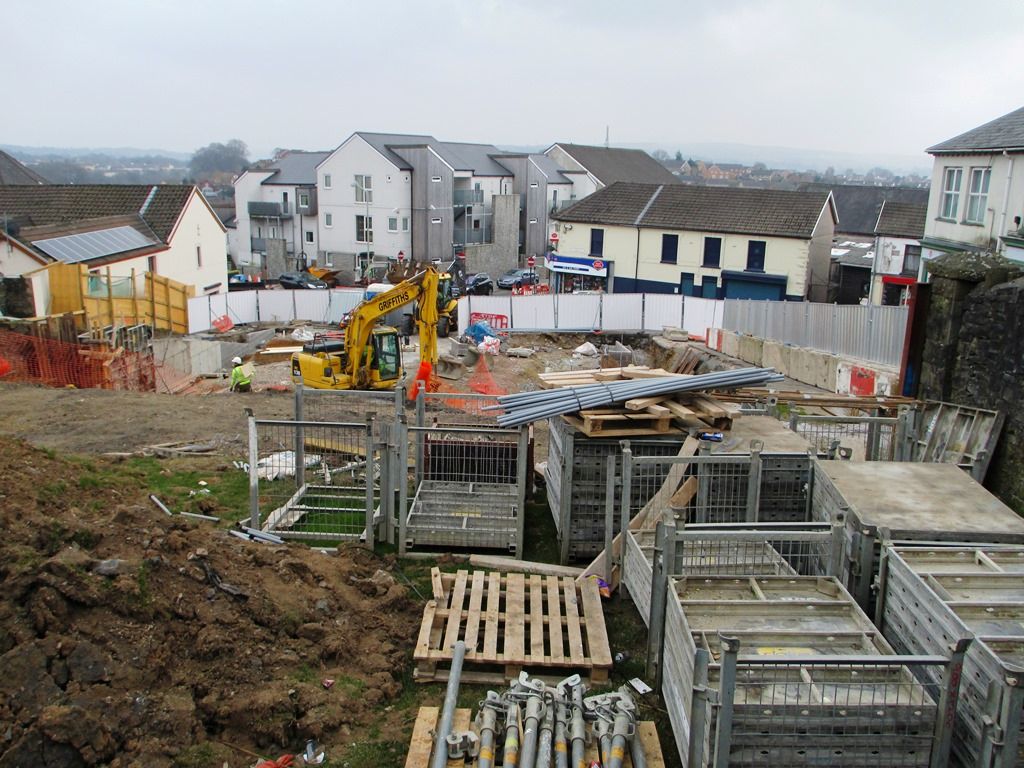
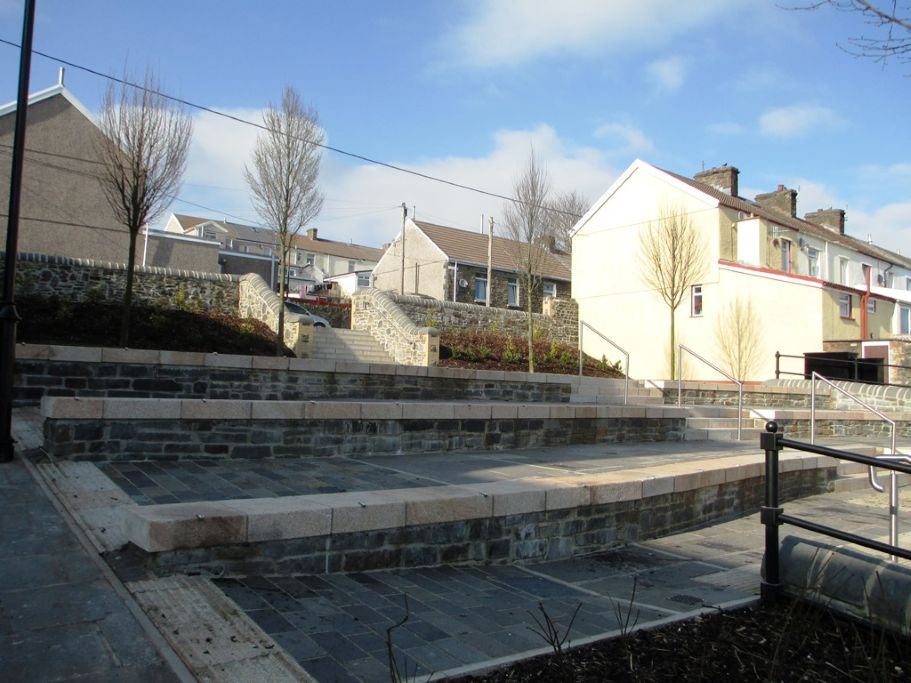
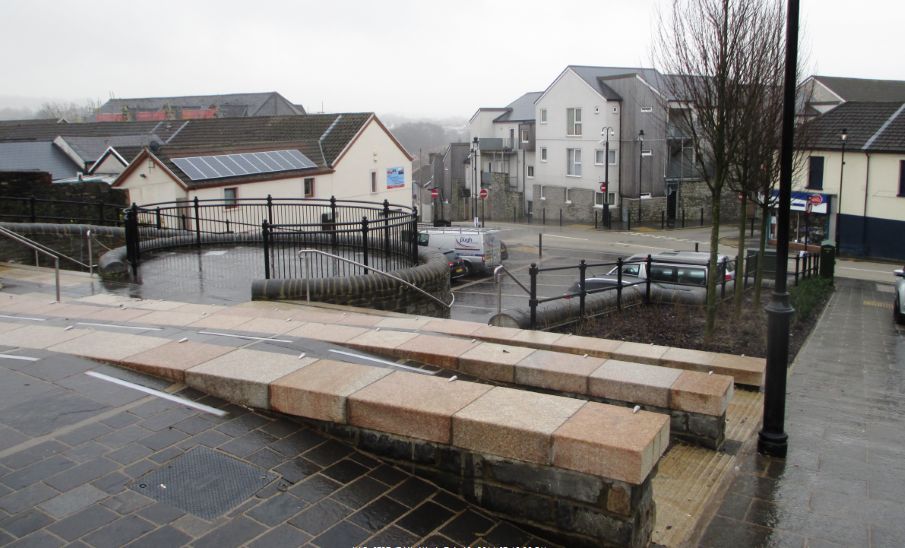
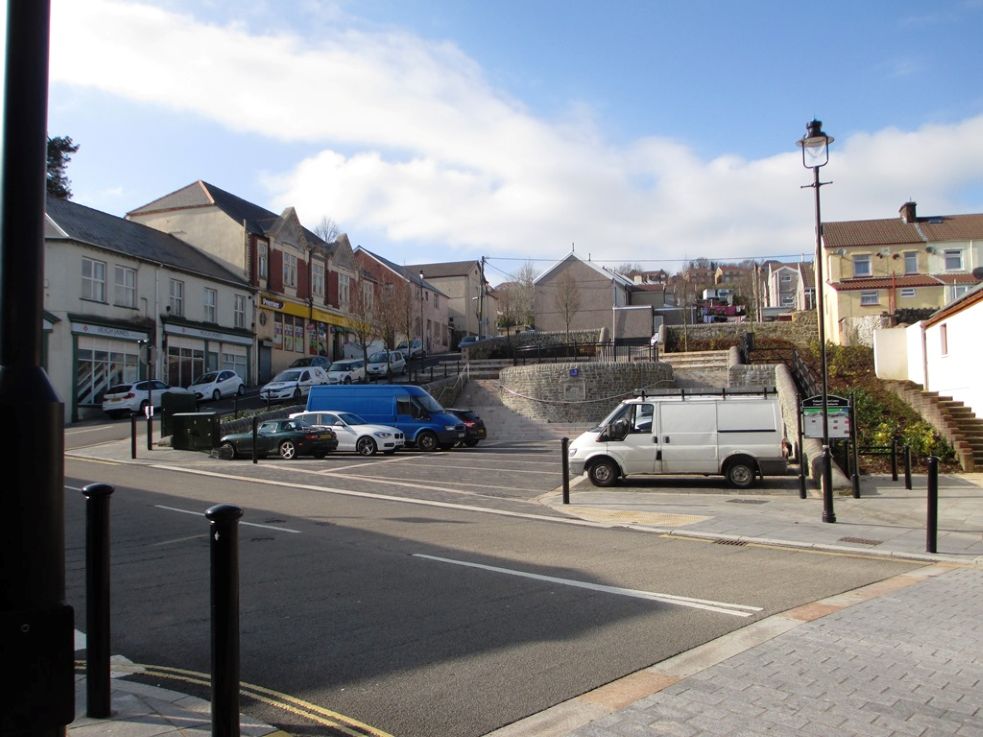
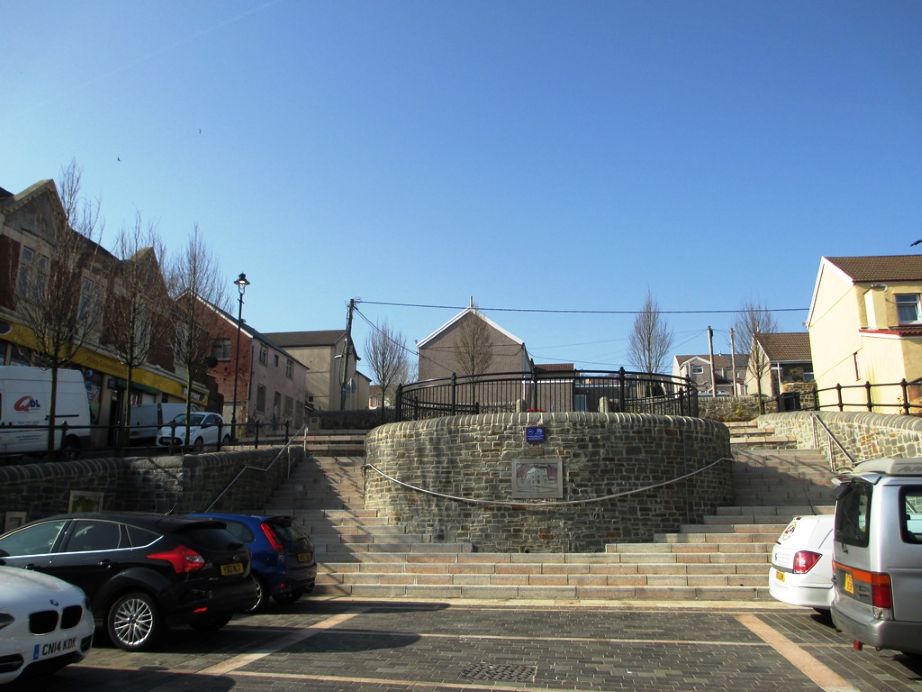
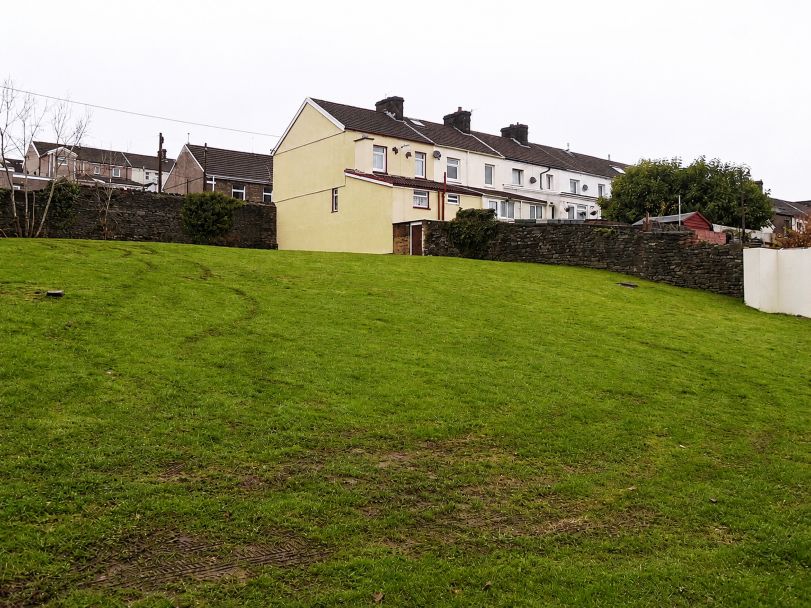
The plan to construct flats was later discounted, and a green area was put there before further redevelopment in 2013. In 2018, the site was in use as a car parking lot. The Miners’ Workmen’s Hall served the community for almost 100 years. It was a community building used for great events, with huge crowds attending. It was a theatre and became known as the “Palace”, a popular cinema for many years. Many of the following photographs were taken by Thomas Williams of Bargoed Terrace. If you use any of these for Facebook or anywhere else, please credit Thomas for the photographs.
We will put the photographs in Chronological order as best we can starting with the older ones and ending up with images from 2026
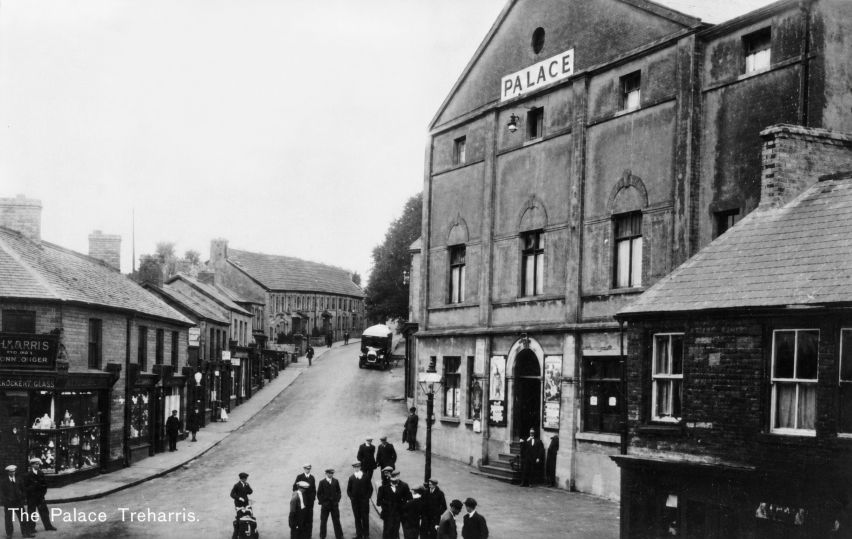
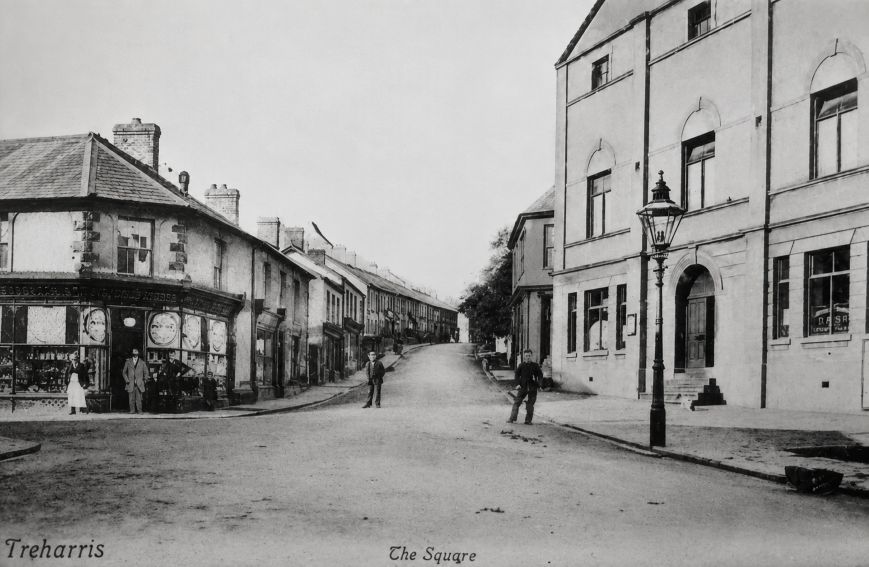
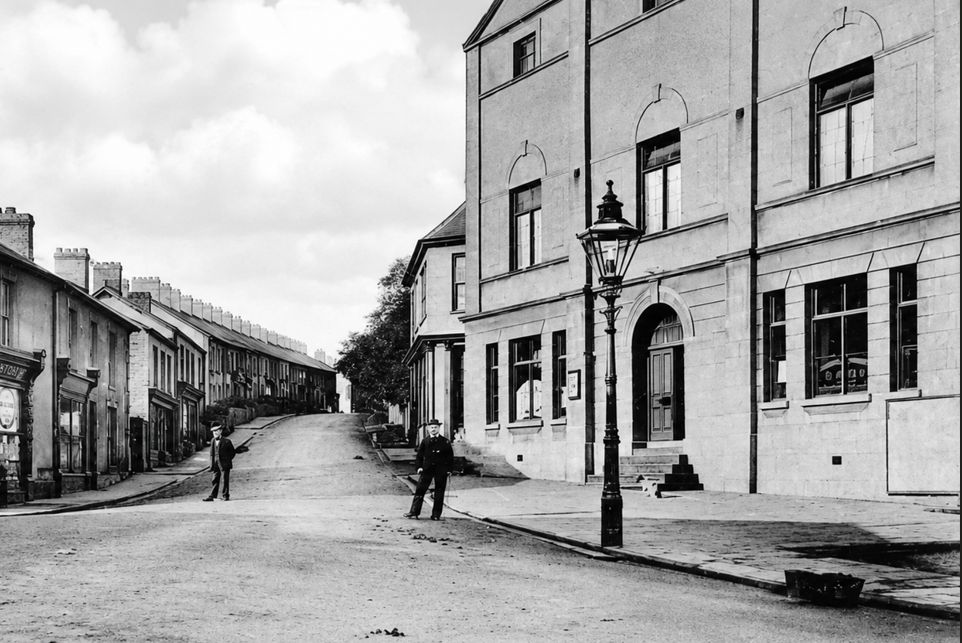
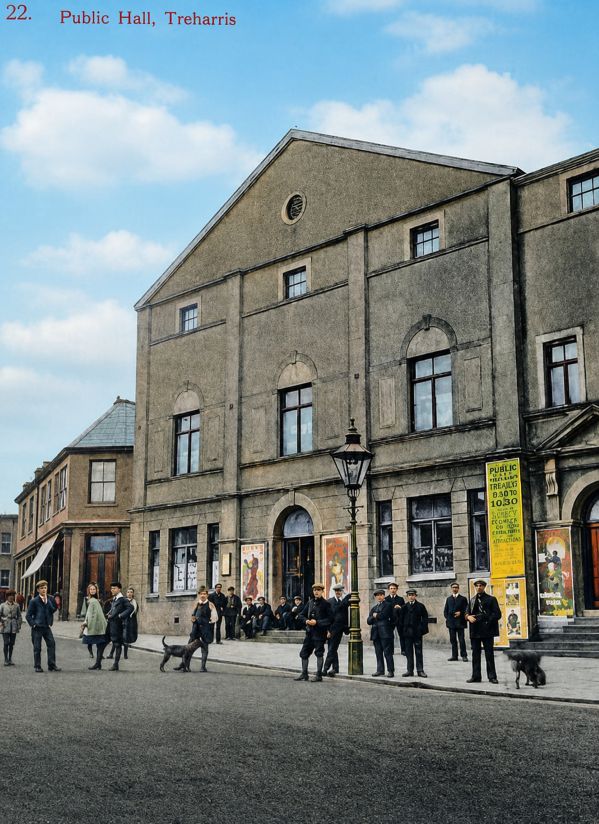
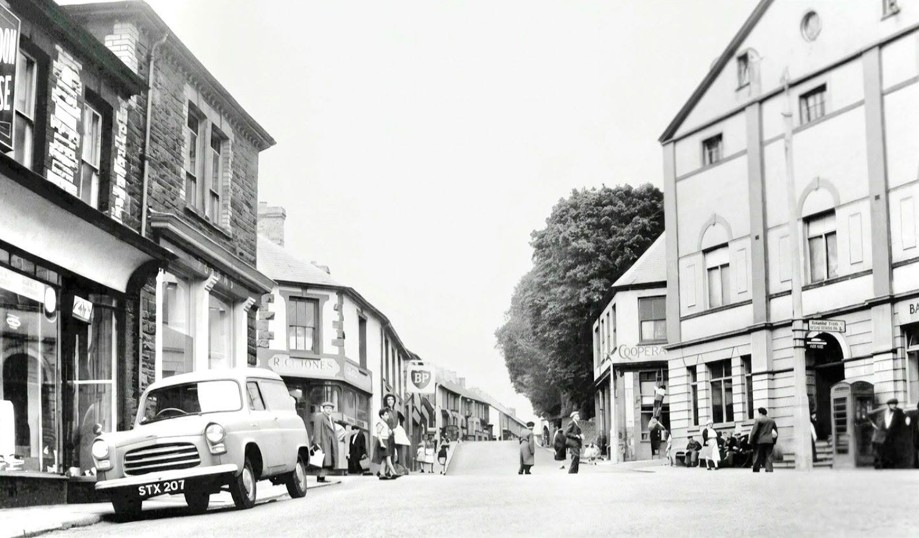
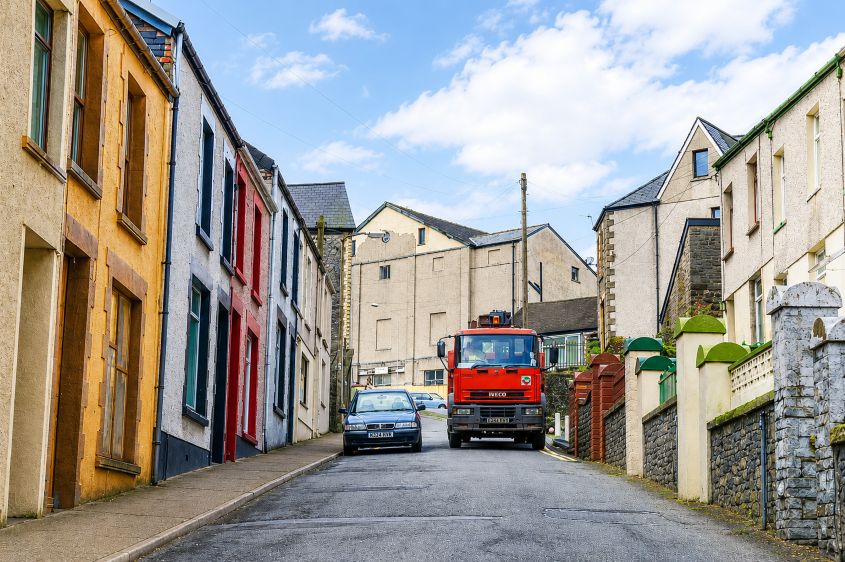
Trafic coming down the hill in those days
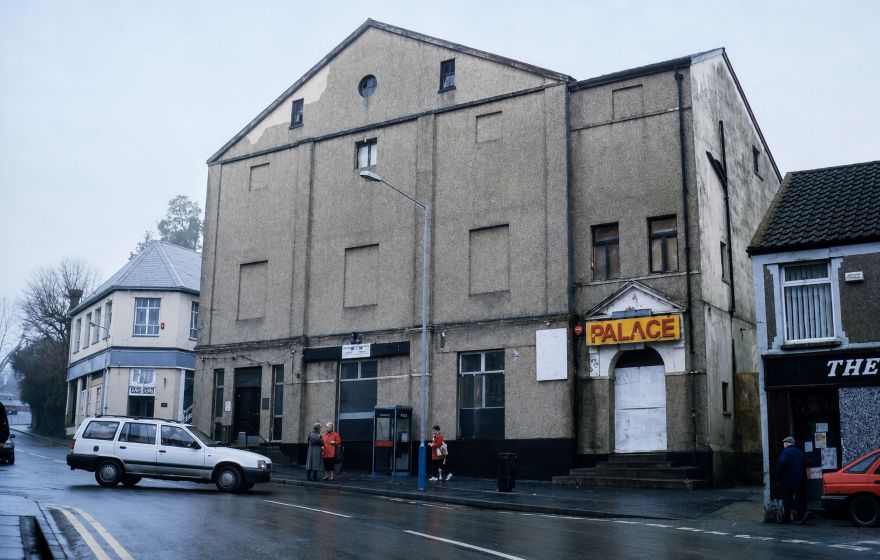
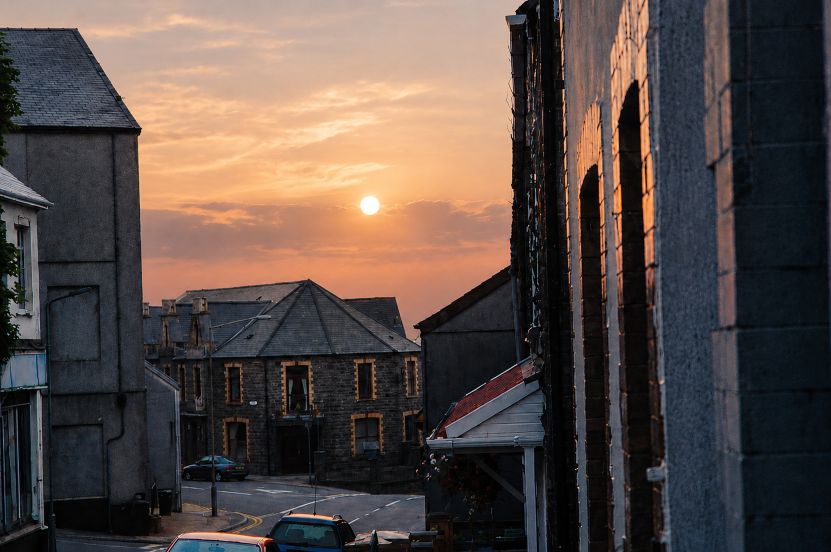
Final days of the Palace, it was in a sorry state at the end of its life.
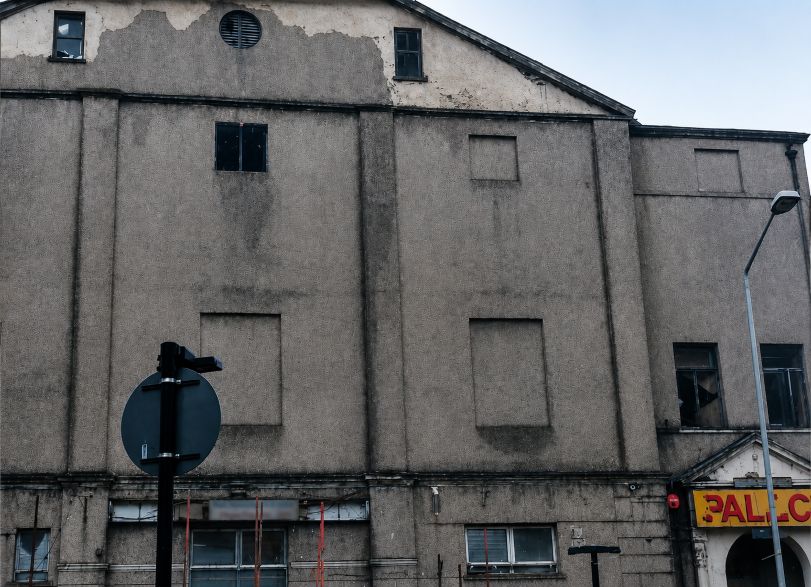
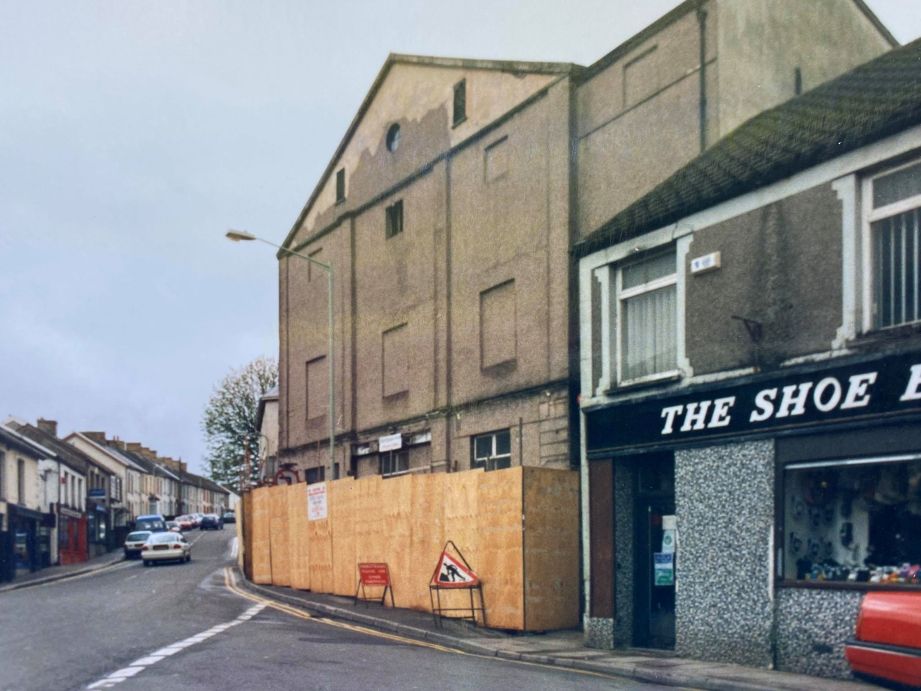
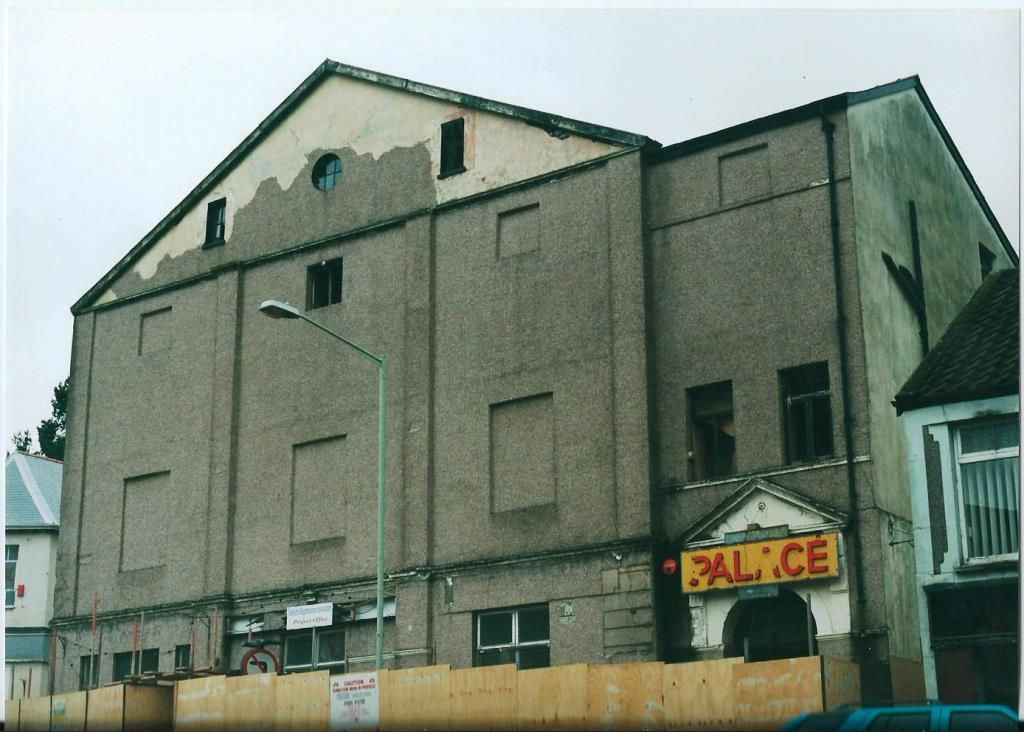
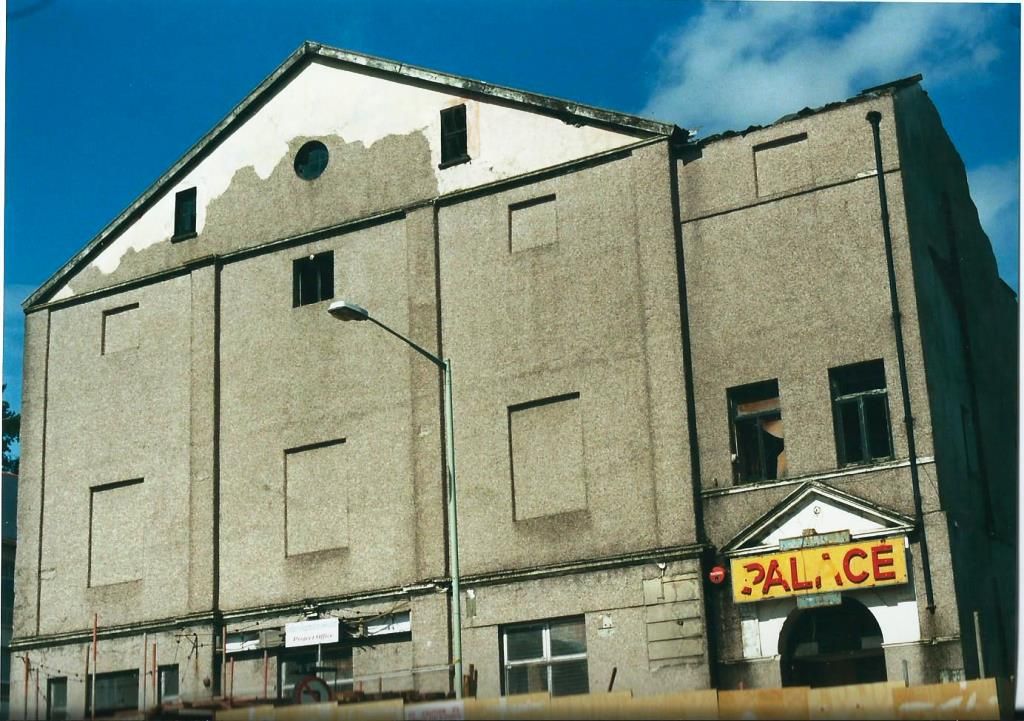
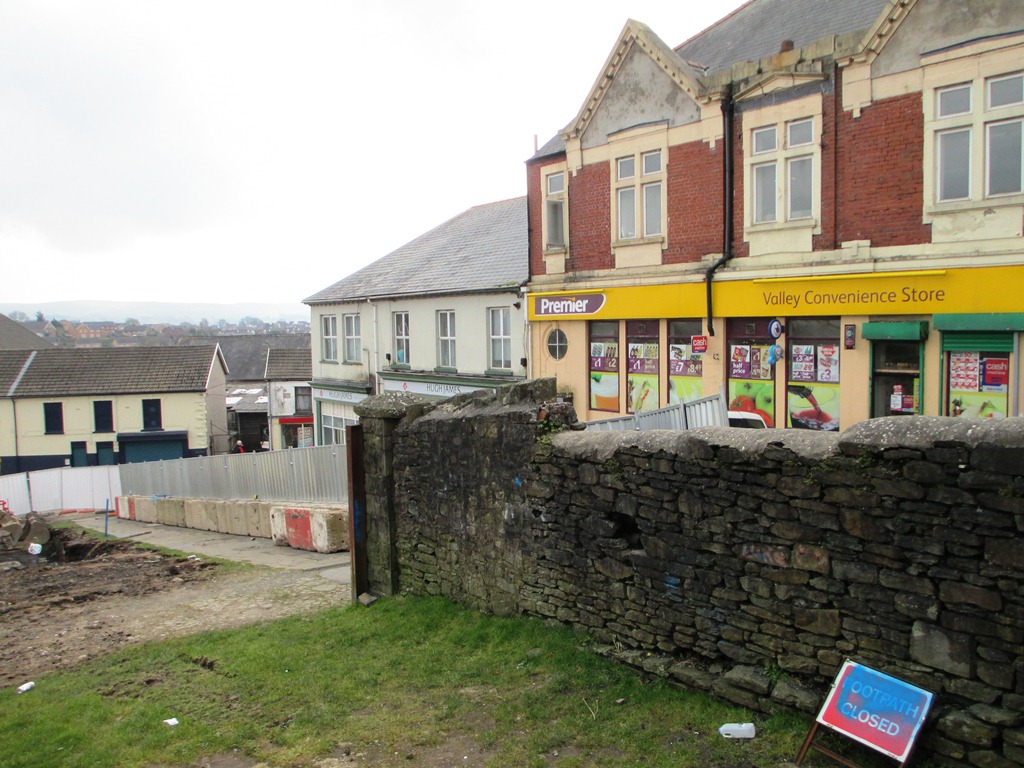
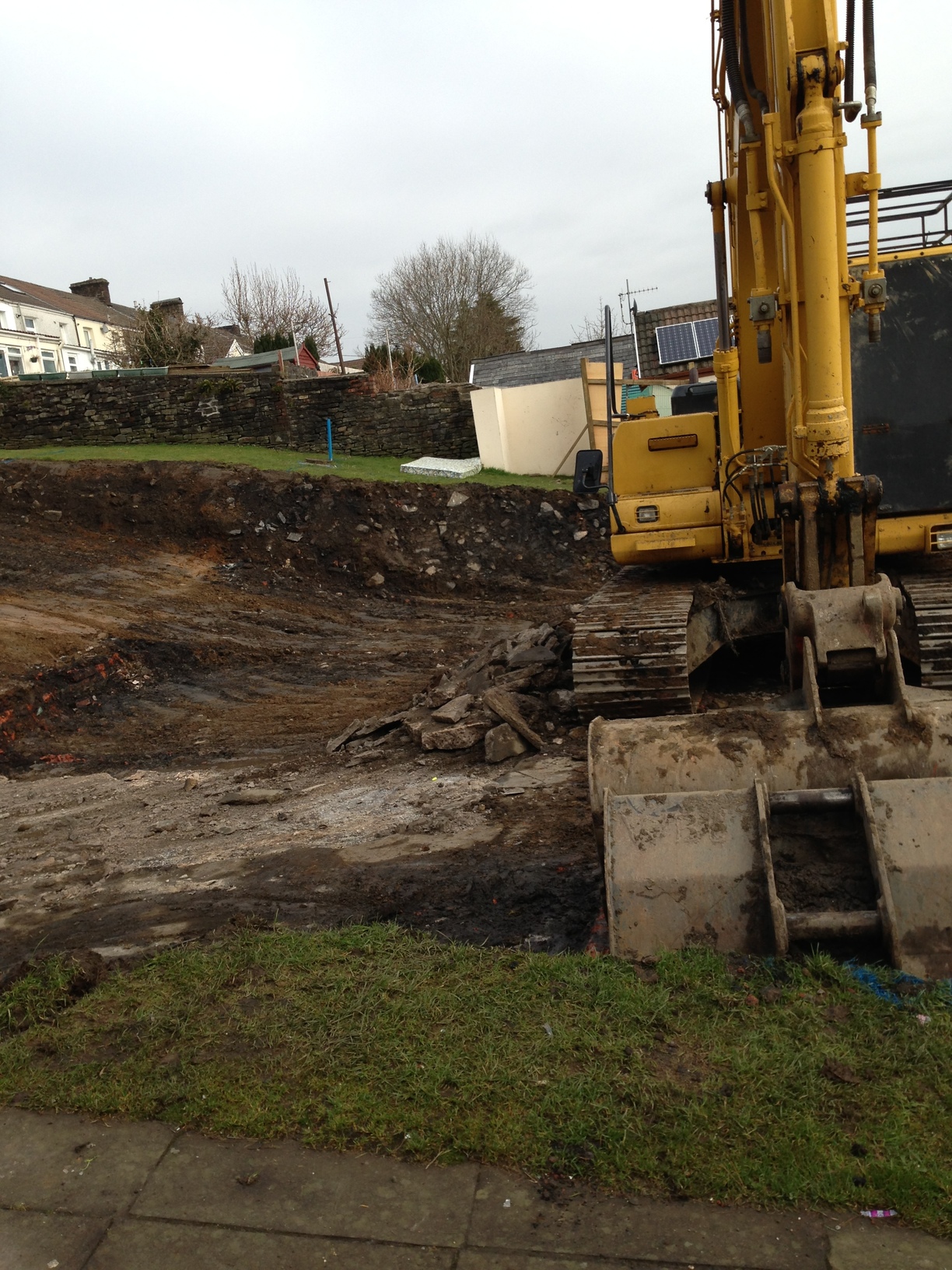
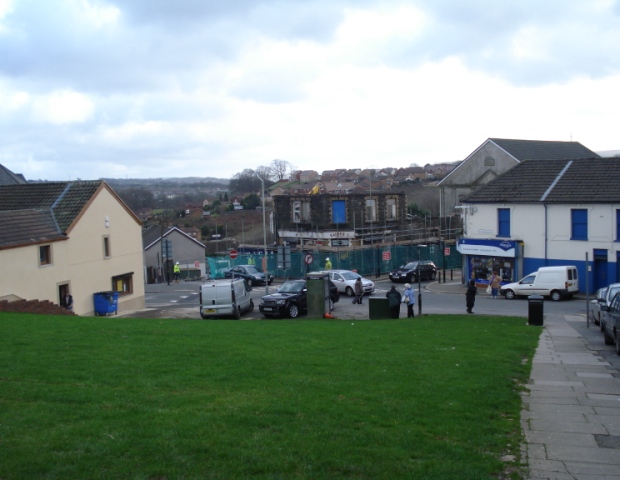
2020 , a new century and January saw the fine old building get demolished.
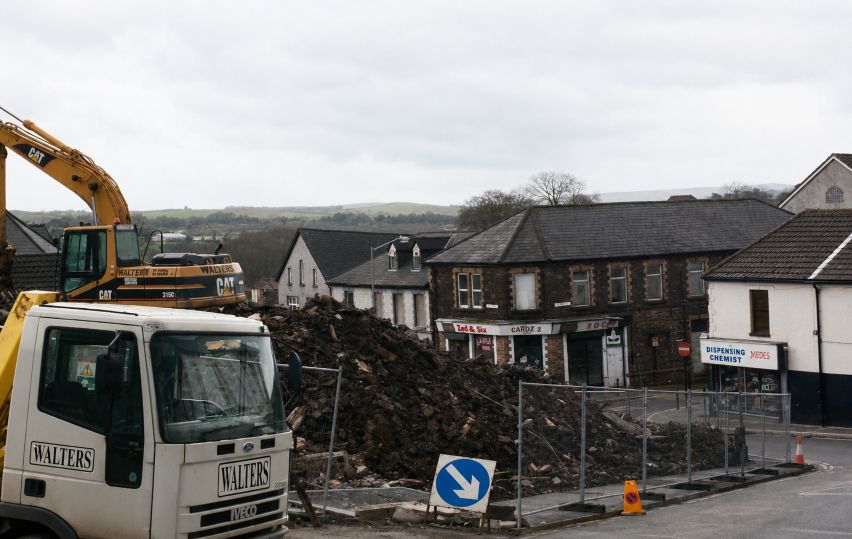
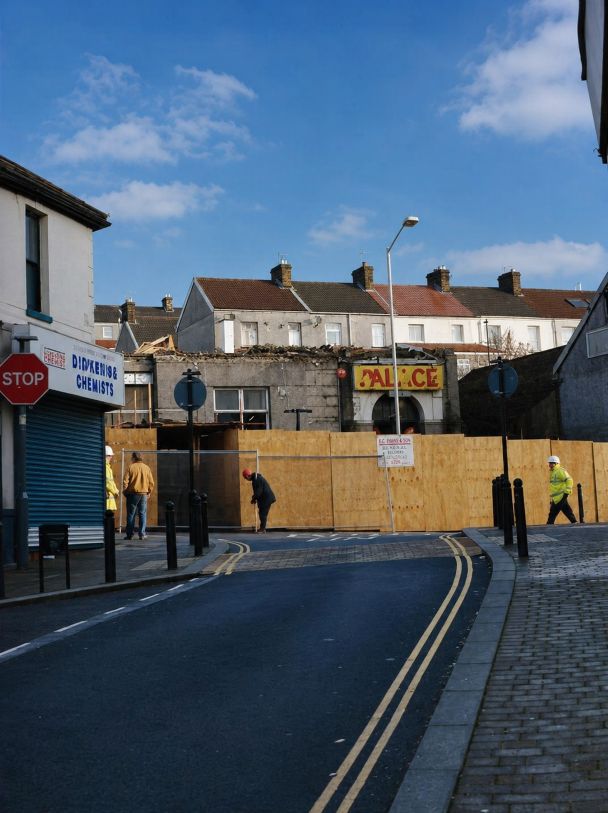
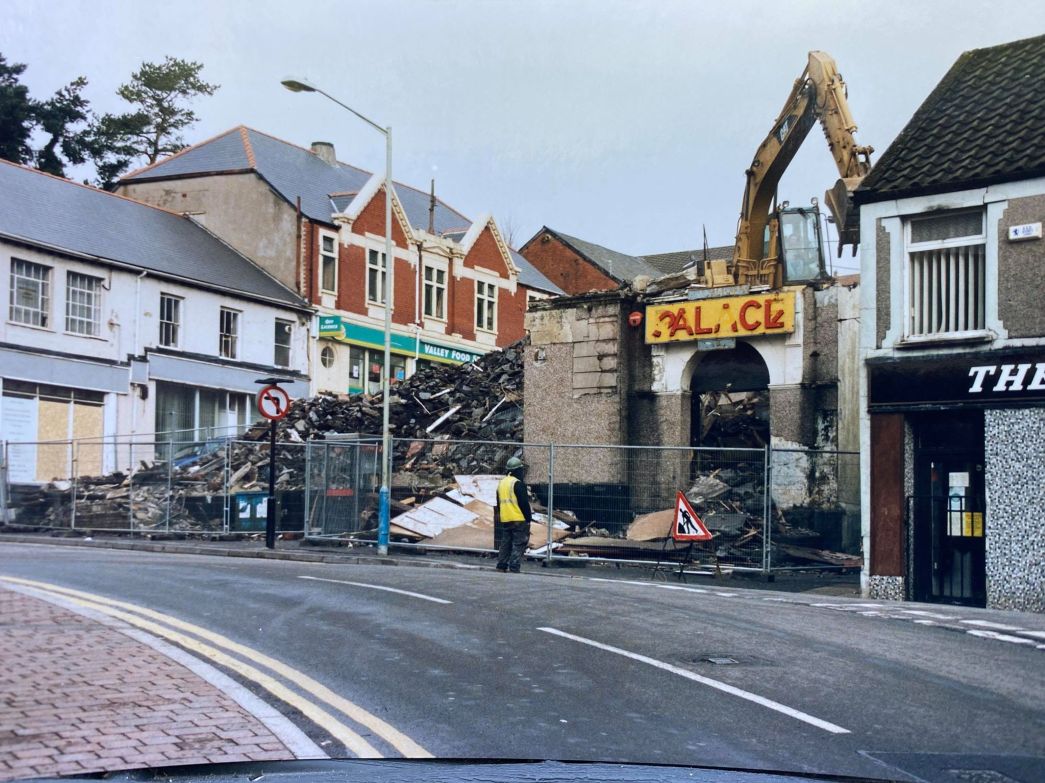
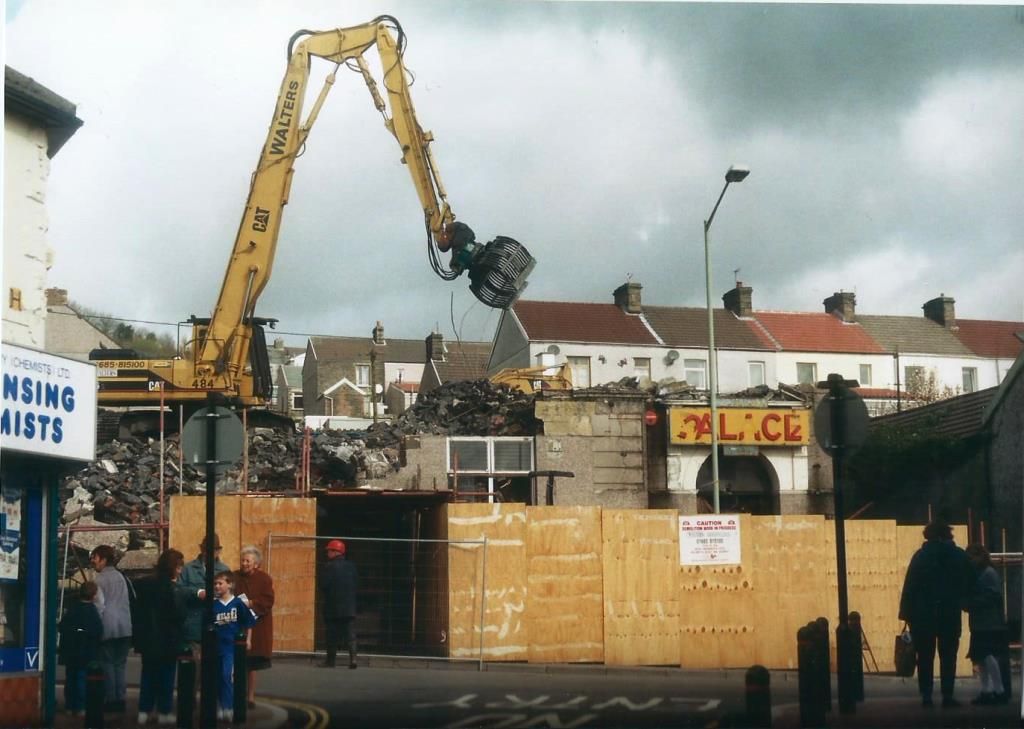
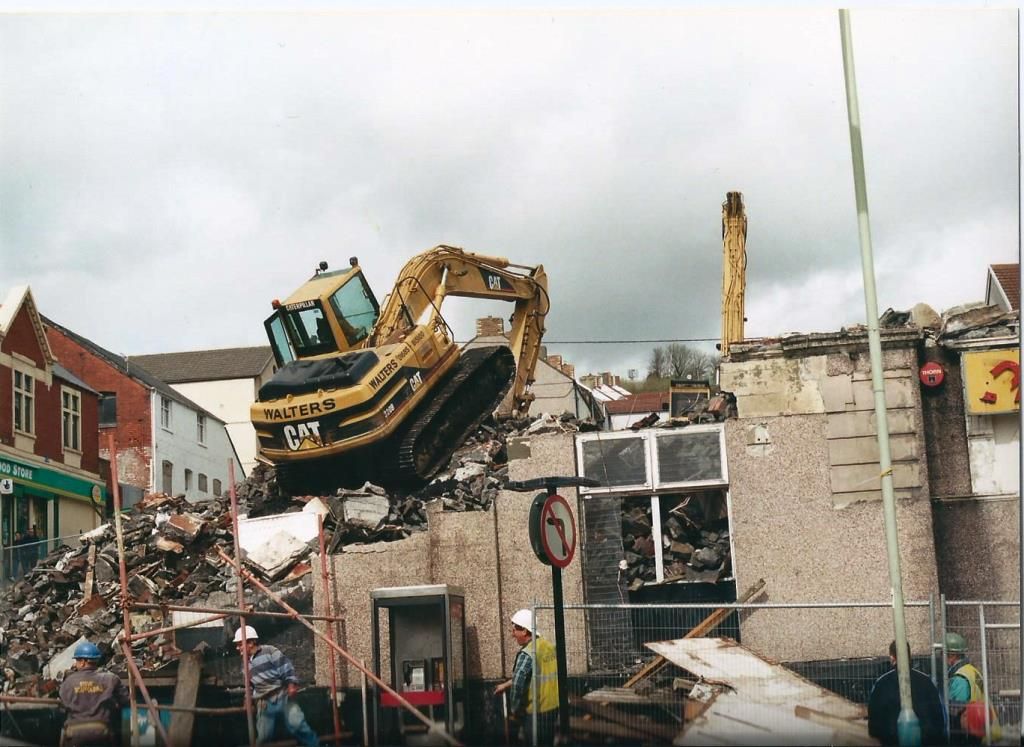
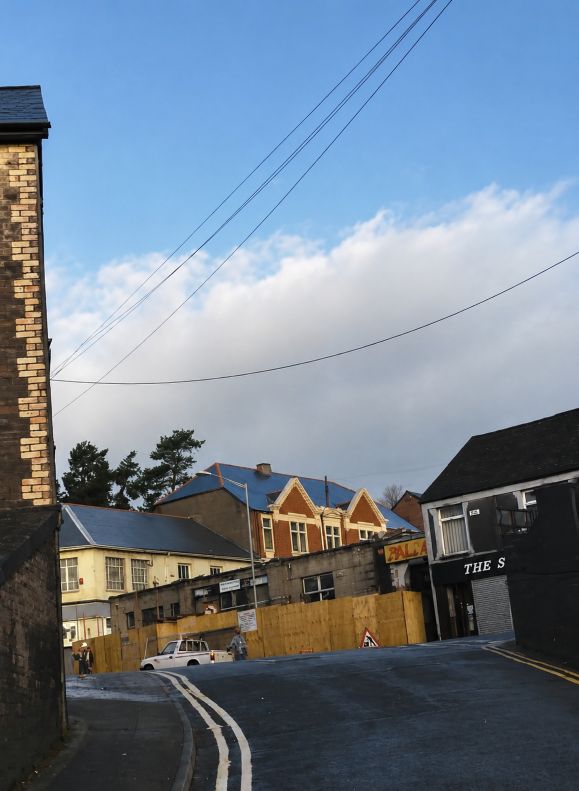
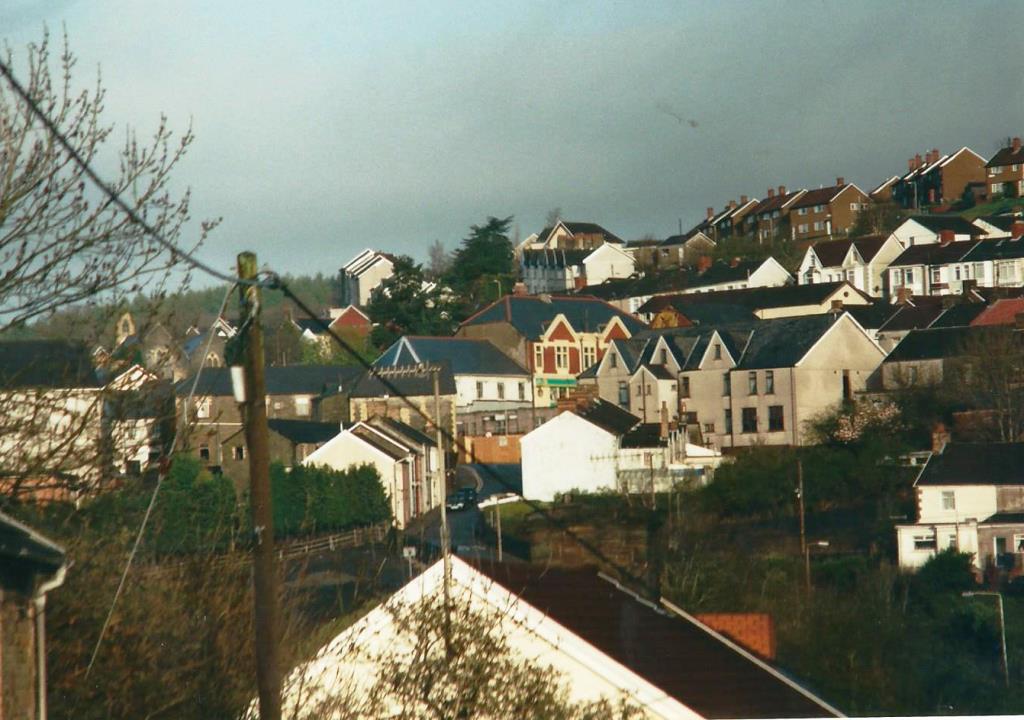
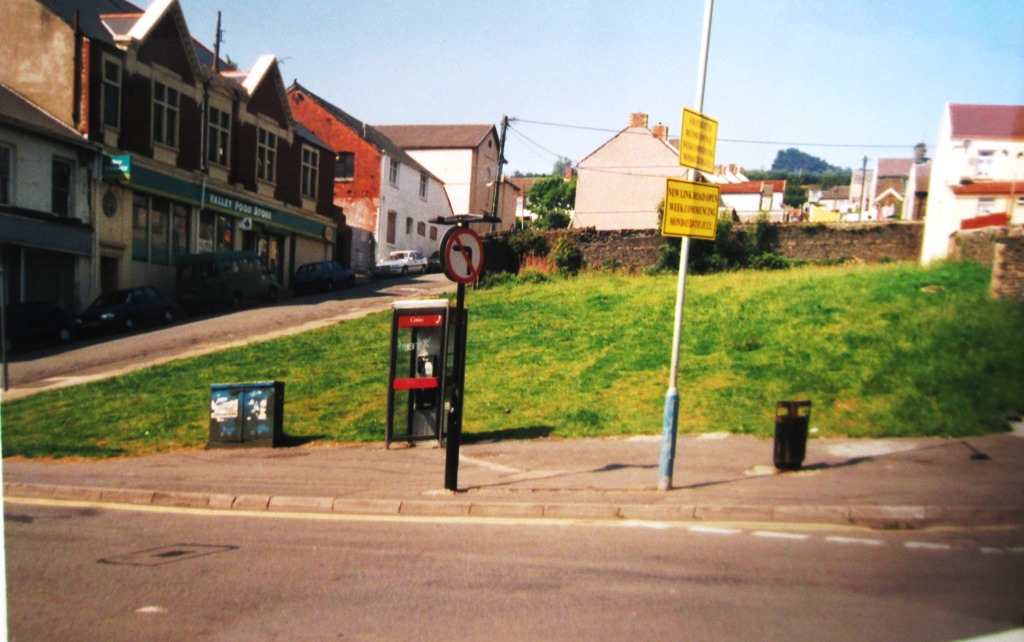
The area was cleared and left as a grassy banking for many years
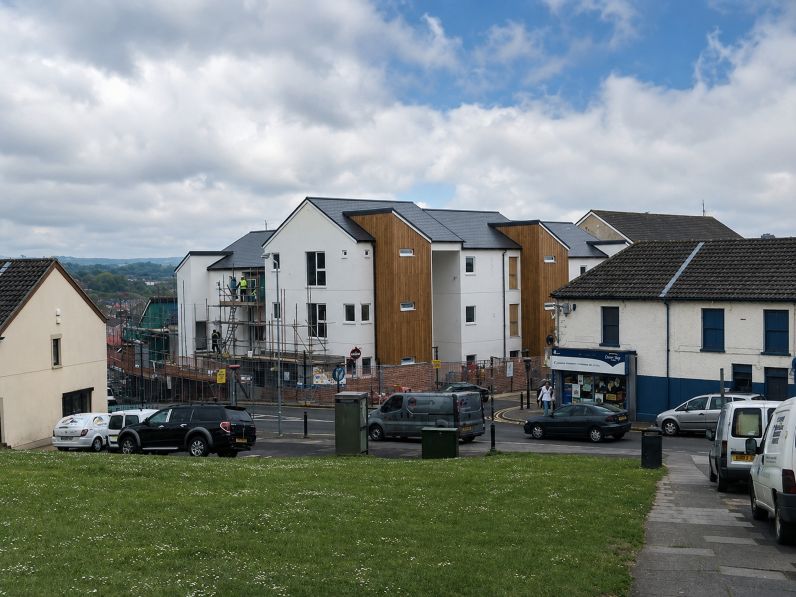
A Decisoon was then made to make it into a car park and small featured seating area note the Meirion Williams flats are now being built